
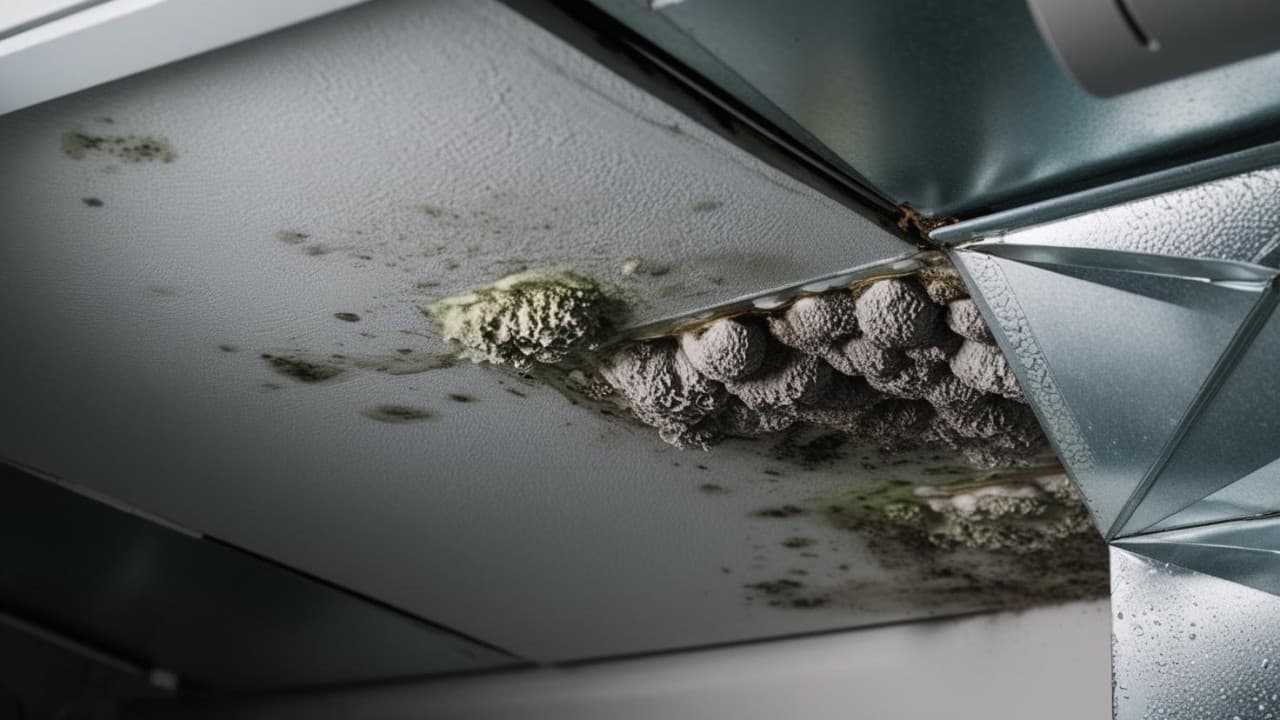
In Queensland, our warm and humid climate provides the perfect environment not just for enjoying the outdoors but, unfortunately, also for mould growth—particularly within HVAC systems. Left unchecked, mould can quickly become a serious health risk, triggering allergies, asthma, and other respiratory issues. It's vital for building owners, facility managers, and homeowners to understand how to effectively address and prevent mould in their air-conditioning systems.
Identifying the Problem
Mould thrives where moisture meets organic material. HVAC systems, with their coils, ductwork, and drip pans, offer ideal breeding grounds. Early indicators include musty odours, visible discolouration around vents, or persistent health complaints among occupants. Professional assessments using visual inspections and air-quality tests can accurately determine the scope of mould growth.
The Remediation Process
Effective mould remediation involves a structured approach:
- Inspection and Containment: Specialists isolate affected areas, utilise protective gear, and set up containment to prevent mould spore spread.
- Cleaning and Treatment: Non-porous components like metal ducts and coils are cleaned with HEPA vacuums and specialised antimicrobials. Porous materials heavily affected by mould typically need replacement.
- Post-remediation Verification: Follow-up air quality testing ensures mould levels are reduced to acceptable standards, confirming successful remediation.
Costs in Queensland
Residential HVAC mould remediation costs in Queensland typically range from $100 to $250 per single split-system unit, with larger ducted systems or extensive infestations ranging upwards to several thousand dollars. Quotes depend heavily on the size, complexity, and severity of contamination.
Regulations and Standards
Queensland regulations, guided by the Work Health and Safety (WHS) Act and Australian Standards (AS/NZS 3666.2), mandate proactive management of HVAC cleanliness. Industry best practices align with guidelines from the Australian Institute of Refrigeration, Air Conditioning, and Heating (AIRAH) and international standards like ANSI/IICRC S520.
Preventative Measures
Prevention is indeed better than cure. Key preventive strategies include:
- Installing UV-C germicidal lights within HVAC units
- Using antimicrobial coatings to protect HVAC surfaces
- Controlling indoor humidity levels (around 50%)
- Regularly scheduling HVAC inspections and maintenance
- Upgrading to high-quality, antimicrobial HVAC filters
Final Thoughts
Keeping HVAC systems mould-free is more than just maintaining equipment—it's safeguarding health and ensuring regulatory compliance. Regular inspections, professional cleaning, and the strategic application of modern preventive technologies are critical.